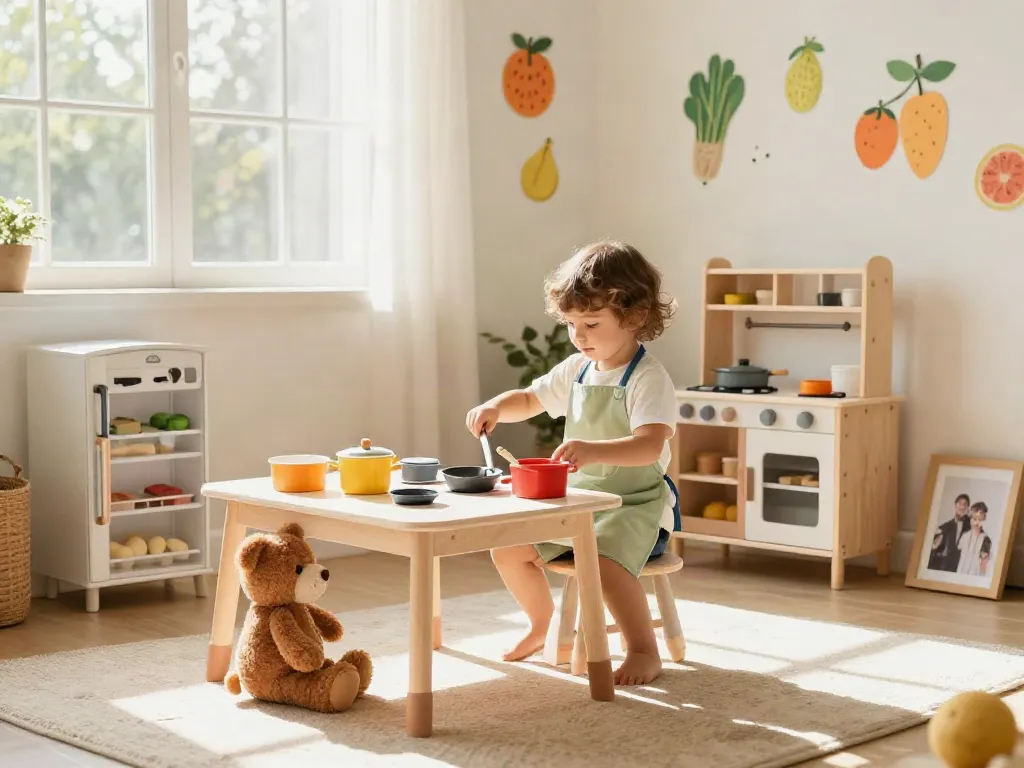
Understanding the Benefits of a Play Kitchen
A play kitchen is more than just a toy; it serves as a crucial tool for early childhood development. When exploring options, play kitchen sets come in a variety of sizes and styles, catering to the imaginative minds of young children. These interactive spaces help foster creativity, encourage social skills, and provide opportunities for practical learning, making them valuable additions to any playroom.
Why Play Kitchens Promote Creative Play?
Play kitchens ignite children's imaginations by allowing them to recreate real-life scenarios. Children can pretend to be chefs, restaurant owners, or home cooks, which encourages storytelling and creativity. As they mix imaginary ingredients, prepare 'meals', and serve friends or family, they engage in role-playing that enhances their cognitive skills and nurtures their ability to think abstractly.
Developing Life Skills Through Pretend Cooking
Engaging in pretend cooking with play kitchens enables children to practice essential life skills without the risks associated with real cooking. They learn about food safety, the importance of hygiene, and basic cooking techniques while developing fine motor skills as they handle utensils and manipulate various components of their kitchen. This hands-on experience prepares them for real-life tasks in the future.
Enhancing Social Interaction with Play Kitchens
Play kitchens promote social interaction among peers. When children play together, they learn valuable communication skills, negotiation, and collaboration. They often take turns, share responsibilities, and develop empathy as they role-play different characters in a culinary setting. This kind of cooperative play can significantly contribute to emotional intelligence and conflict resolution skills.
Choosing the Right Play Kitchen for Your Child
When selecting a play kitchen, it's essential to consider a few key factors that align with your child's needs. Play kitchens vary widely in design, size, and features, so understanding what will best suit your child's interests and developmental stage is critical.
Factors to Consider When Buying a Play Kitchen
- Age Appropriateness: Ensure the play kitchen is suitable for your child's age. Some models are designed for toddlers, while others accommodate older children.
- Space Requirements: Evaluate where the kitchen will be located. Measure the area to ensure your chosen kitchen fits comfortably without overcrowding.
- Material Quality: Look for kitchens made from durable materials. Wooden kitchens often offer more longevity than plastic ones, while also providing a classic aesthetic.
- Safety Features: Check for smooth edges and non-toxic finishes to ensure the kitchen is safe for kids.
Comparing Wooden vs. Plastic Play Kitchens
Wooden play kitchens are often more robust and aesthetically pleasing, making them a great choice for long-term use. They tend to be heavier, which can be a safety factor, but they may also come at a higher price point. Plastic kitchens, on the other hand, are usually lighter and more affordable, making them easier to move and rearrange. However, the durability can vary widely among brands, so it's worth considering the manufacturer's reputation.
Best Play Kitchen Sets for Different Age Groups
For toddlers (ages 1-3), simple designs with fewer parts help encourage imaginative play without overwhelming them. For preschoolers (ages 4-6), larger kitchens with more interactive elements, such as lights and sounds, can enhance engagement. For older children (ages 7+), consider more advanced sets that allow for realistic cooking experiences, including recipe books and sophisticated utensils.
Common Myths About Play Kitchens
Despite their popularity, several myths surround play kitchens that can mislead potential buyers. Understanding these misconceptions can help parents make more informed purchasing decisions.
Myth: Play Kitchens Are Just for Girls
This stereotype is both outdated and inaccurate. Play kitchens appeal to all children, regardless of gender. In fact, they can help boys learn nurturing skills and foster cooperation while assisting in household activities. Promoting inclusivity in play encourages children to explore various roles, enriching their development.
Myth: All Play Kitchens Are Expensive
While it’s true that some premium brands can be pricey, there are affordable options available that still provide great fun and educational value. By shopping wisely and exploring various retailers, such as those found on platforms like Amazon or local toy stores, parents can find quality kitchens within their budget.
Myth: Play Kitchens Take Up Too Much Space
Many parents worry that play kitchens will consume too much room in their homes. However, manufacturers offer a wide range of sizes to fit different spaces. Compact models are available for smaller play areas, while larger setups can serve as focal points in playrooms or dedicated play areas.
Setting Up the Perfect Play Kitchen Environment
Creating an inviting and safe play kitchen environment not only enhances play but also encourages children to engage more with their surroundings. A well-organised kitchen setup can foster creativity and independence.
Creating a Safe and Inviting Play Space
When setting up your child's play kitchen, ensure the area is safe and easily accessible. Soft mats or rugs can provide a comfortable surface for playing. Keep the kitchen away from sharp corners and any hazardous items. Maintain a tidy space by regularly checking for any potential choking hazards.
Incorporating Realistic Accessories and Props
To enhance the play experience, consider adding realistic accessories such as pots, pans, utensils, and pretend food. These props can inspire more creative scenarios and make playtime more engaging. Look for sets that match the kitchen's style to create a cohesive play environment.
Utilising Storage Solutions for a Tidy Play Area
Efficient storage solutions are vital for maintaining a tidy play kitchen. Use baskets or bins to store smaller accessories, ensuring they’re within reach but also organised. This arrangement helps children learn responsibility and the importance of cleaning up after play.
Future Trends in Play Kitchens for 2026
The industry surrounding play kitchens is anticipated to evolve significantly by 2026, reflecting changes in consumer preferences and advancements in technology. Here are some trends to watch out for:
Eco-Friendly Materials and Sustainable Manufacturing
With growing awareness around sustainability, manufacturers are increasingly using eco-friendly materials in their play kitchen designs. Look for products that are made from recycled materials or sustainably sourced wood, as these options not only reduce environmental impact but also teach children about the importance of environmental stewardship.
Incorporating Technology into Play Kitchens
Technological integration is set to play a significant role in future play kitchens. Expect to see more kitchens featuring interactive screens, voice recognition for instructions, or smart appliances that make pretend cooking even more realistic. Such features can enhance the educational value of play, enabling kids to learn while having fun.
Expanding Play Kitchen Functions Beyond Cooking
Future play kitchens may also incorporate multifunctional elements that expand beyond cooking. For example, some sets might include cleaning stations or gardening areas to introduce children to other household responsibilities. This holistic approach can prepare kids for a range of skills needed in later life.
What age should a kid get a play kitchen?
Generally, children as young as 18 months can enjoy play kitchens, with features tailored for their developmental stage. By age three, many kids are ready for interactive elements that mimic real cooking.
How much does a play kitchen cost?
The price of play kitchens varies significantly, with basic models available for as little as £50, while more elaborate sets can go upwards of £300. It's advisable to set a budget and explore different options before purchasing.
Is it worth getting a play kitchen?
Absolutely! The benefits of imaginative play, life skills development, and social interaction make play kitchens a worthwhile investment in your child's growth and development.
Which play kitchen is the best?
The best play kitchen depends on your child's interests and the available space. Researching reviews and comparing features can guide you to the most suitable model for your family.
Where can I buy play kitchen accessories?
Many retailers offer a variety of play kitchen accessories, including online options such as Amazon, local toy stores, and specialty children’s shops. Be sure to compare quality and price before making a purchase.